
Understanding the psychological impact of gambling on mental health
The Nature of Gambling Addiction
Gambling addiction is a behavioral disorder that significantly alters an individual’s mental health. It often stems from a combination of psychological, social, and environmental factors. People may start gambling to escape personal problems, seek excitement, or improve their financial situation. However, what begins as harmless entertainment can quickly spiral into a compulsive behavior that consumes an individual’s life. In this landscape, platforms like pinco provide various games, catering to both novice and seasoned gamblers.

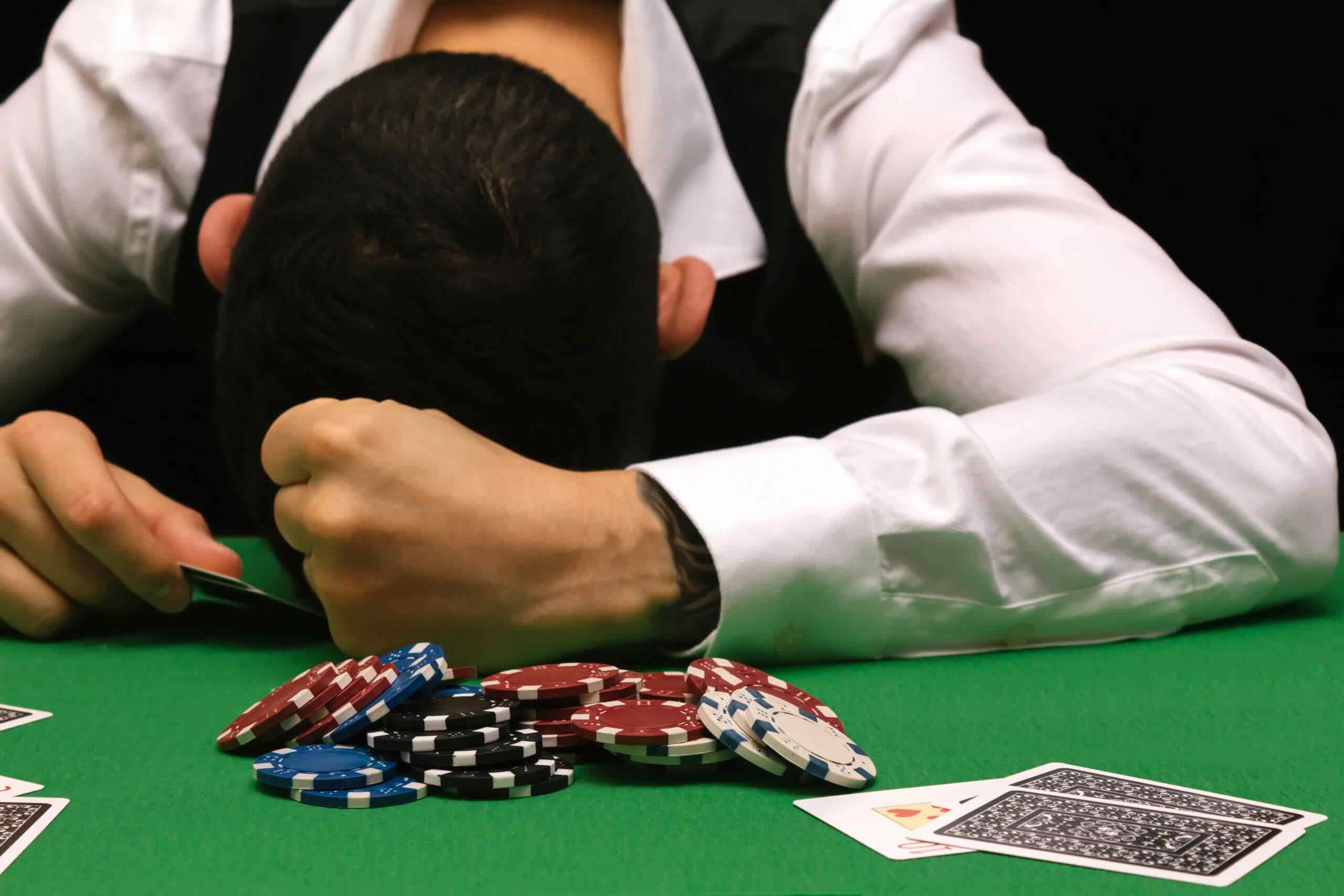
The psychological effects of gambling addiction can be devastating. Many individuals experience heightened anxiety, depression, and feelings of isolation. As the addiction deepens, gamblers may neglect their relationships, work responsibilities, and overall well-being, leading to a vicious cycle of guilt and further gambling as a form of escape.
The Impact of Gambling on Emotional Well-being
Gambling can lead to significant emotional distress. Victims of gambling addiction often experience mood swings, irritability, and a sense of hopelessness. The thrill of winning can create a temporary high, but the losses can result in profound sadness and despair. This emotional rollercoaster can be particularly damaging to mental health, causing anxiety and a strained mental state.
Furthermore, the emotional toll does not only affect the gamblers themselves but can also spill over into their relationships. Loved ones often feel helpless and frustrated, contributing to a toxic environment that exacerbates the gambler’s mental health issues. The need for emotional support is critical, yet often overlooked in discussions surrounding gambling addiction.
Celebrity Gamblers and Their Influence
The world of celebrity gamblers often glamorizes the notion of gambling, portraying it as a thrilling and rewarding activity. Celebrities like Ben Affleck and Charles Barkley have openly shared their gambling experiences, sometimes downplaying the potential risks. This representation can mislead fans into underestimating the psychological impact and consequences of gambling.
While celebrities may have the means to manage their gambling habits, this is not the case for the average individual. The normalization of gambling through celebrity endorsements can encourage unhealthy behaviors and foster unrealistic expectations about winning, further complicating the mental health landscape for those susceptible to addiction.
Gambling and Co-occurring Mental Health Disorders
Individuals struggling with gambling addiction frequently encounter co-occurring mental health disorders. Issues such as anxiety disorders, depression, and substance abuse often accompany gambling problems. The interplay between these conditions can complicate treatment, making it essential for mental health professionals to adopt a comprehensive approach to therapy.
Treatment strategies must address both the gambling addiction and any underlying psychological issues. Effective interventions often include cognitive-behavioral therapy, group therapy, and support from organizations dedicated to helping individuals combat gambling addiction. Recognizing the multi-faceted nature of these issues is crucial for successful recovery.
Pinco Casino’s Commitment to Responsible Gaming
Pinco Casino recognizes the importance of responsible gaming and its impact on mental health. The platform is dedicated to providing a safe and secure gaming environment for players. They promote responsible gambling practices, offering resources and support to help users maintain a healthy relationship with gaming.
Through educational initiatives and self-exclusion programs, Pinco Casino aims to raise awareness about the potential risks associated with gambling. By fostering a community that prioritizes mental well-being, they strive to ensure that gaming remains an enjoyable experience rather than a source of distress.