
Myths about gambling debunking the most common misconceptions
Understanding Gambling Addiction
Gambling addiction is often misunderstood, leading to many misconceptions about its nature and effects. One common myth is that only people with a weak character or lack of willpower become addicted to gambling. In reality, gambling addiction is a complex condition influenced by a combination of psychological, environmental, and genetic factors. It affects individuals from all walks of life, regardless of their background or personality. Many find that resources can improve their understanding, including the best online crypto casino, which highlights the importance of making informed choices when gambling.
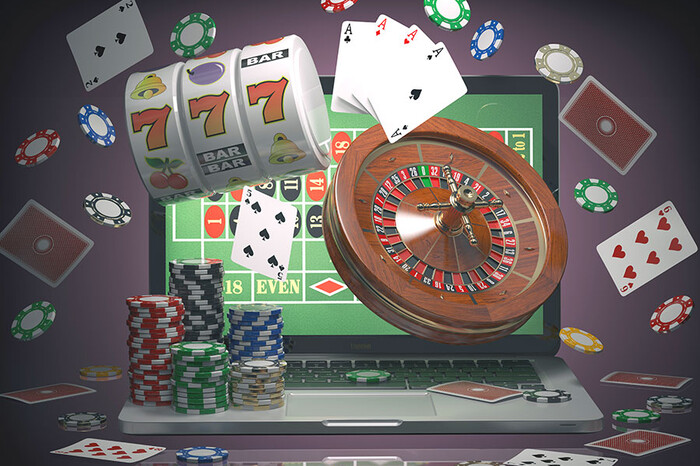
Additionally, many believe that gambling addiction is merely a phase that someone can easily overcome. While some may stop gambling after a brief period, for others, it can be a chronic issue that requires significant support and intervention. Recognizing gambling addiction as a serious mental health issue is crucial for effective treatment and recovery.
The Luck Factor
Another prevalent myth is the belief that gambling is purely a game of luck. While chance plays a significant role, skill and strategy can also influence outcomes, particularly in games like poker and sports betting. Understanding the odds and employing a strategic approach can improve a player’s chances, though it does not guarantee success.
This misconception can lead to overconfidence and reckless behavior. Players often believe that they can outsmart the odds or chase losses, leading to dangerous gambling habits. Educating oneself about the mechanics of various gambling games is essential to navigate the fine line between fun and risk.
The Perception of Winning
Many individuals assume that winning is the norm in gambling, thanks to glamorous portrayals in movies and advertisements. This myth can create unrealistic expectations and encourage people to gamble more frequently, believing that they will inevitably win. In truth, the house always has an edge, and the majority of players will lose money over time.
Furthermore, the excitement of a big win can be misleading. People often remember their wins more vividly than their losses, leading to a skewed perception of their gambling experience. Understanding that losses are a regular part of gambling is vital for anyone considering participating in these activities.
The Social Aspect of Gambling
Gambling is often viewed as a harmless social activity, a way to bond with friends and family. However, this perspective can downplay the risks associated with gambling. While it can be a fun pastime, it’s important to recognize when it crosses the line into problematic behavior. The social environment can sometimes normalize excessive gambling, making it difficult for individuals to identify their own issues.
Moreover, peer pressure can exacerbate gambling addiction, encouraging individuals to continue playing even when they know they should stop. It is crucial to foster open conversations about responsible gambling and create a supportive atmosphere for those who may be struggling.

Enhancing Your Skills with Educational Resources
For those looking to improve their understanding of gambling or enhance their skills, educational platforms offer a wealth of resources. These sites provide interactive quizzes, comprehensive guides, and practical exercises tailored to various skill levels. Whether you are a novice or an experienced player, learning about the intricacies of gambling can empower you to make more informed choices.
By engaging with these resources, you can develop a better grasp of risk management and responsible gambling practices. This knowledge can be instrumental in recognizing potential issues early and fostering a healthier relationship with gambling activities. Joining a community focused on improving skills can also provide support and encouragement along the way.